Co-founder & CTO of Wrodium
I sold my first company before I could legally drink. Now I'm building the infrastructure for how brands get discovered in the AI era.
The GEO platform that turns your content into what ChatGPT, Perplexity, and Gemini actually cite.
"Wrodium cut our content workload by 70%. Instead of fixing outdated pages manually, we focus on strategy. The speed and quality jump is huge—and our citations across ChatGPT, Gemini, and Perplexity rose by 20% within a week."
"If you're not optimizing for AI search, you're optimizing for yesterday. Wrodium got us cited by ChatGPT, Gemini, and Perplexity faster than I thought possible."
That's not a typo. 20% more AI citations in seven days. While your competitors are still Googling "what is GEO," our clients are getting quoted.
Leanid Palkhouski, Co-founder @ Wrodium
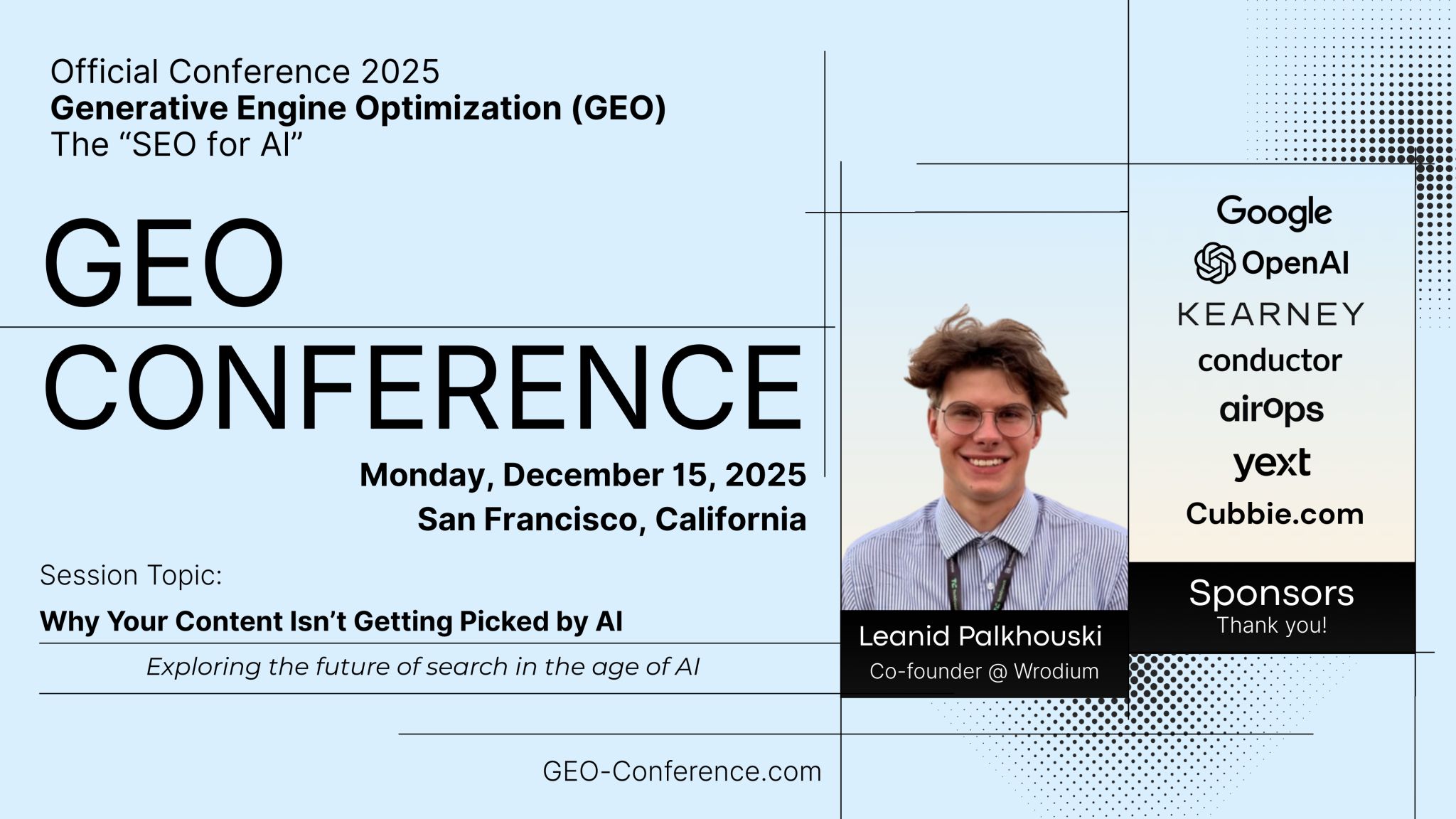
San Francisco · December 15, 2025
Informational search queries are migrating to AI. ChatGPT has 200M+ weekly users. Perplexity is growing 40% month-over-month. When someone asks "best CRM for startups," they're not clicking ten blue links anymore—they're reading one AI-generated answer.
Here's the thing: AI doesn't rank pages. It cites sources.
If your content isn't structured for AI to understand, verify, and trust—you don't exist. You're not on page two. You're nowhere.
That's the problem Leanid Palkhouski and I are solving at Wrodium.
Hallucinations aren't just embarrassing—they're expensive. When AI gets your company wrong, customers leave, deals fall through, and trust evaporates.
I build systems that give LLMs perfect context: structured, verified, current. The goal isn't just to be cited—it's to be cited correctly.
AI is becoming the interface to all information. But AI is only as accurate as the content it retrieves.
Right now, most American business content is a mess—outdated pages, unstructured data, no fact-verification layer. LLMs do their best, but they hallucinate. They get pricing wrong. They cite dead products. They fabricate quotes.
That's not acceptable.
Wrodium exists to fix this. We structure content so AI can parse it. We verify claims so AI can trust them. We maintain pages so AI never retrieves stale information.
We're not an SEO tool. We're not a marketing gimmick. We're the infrastructure layer that makes American AI accurate about American businesses.
The companies that structure their content for AI will thrive. The ones that don't will be misrepresented—or invisible.
We're building for the first group.
The short version
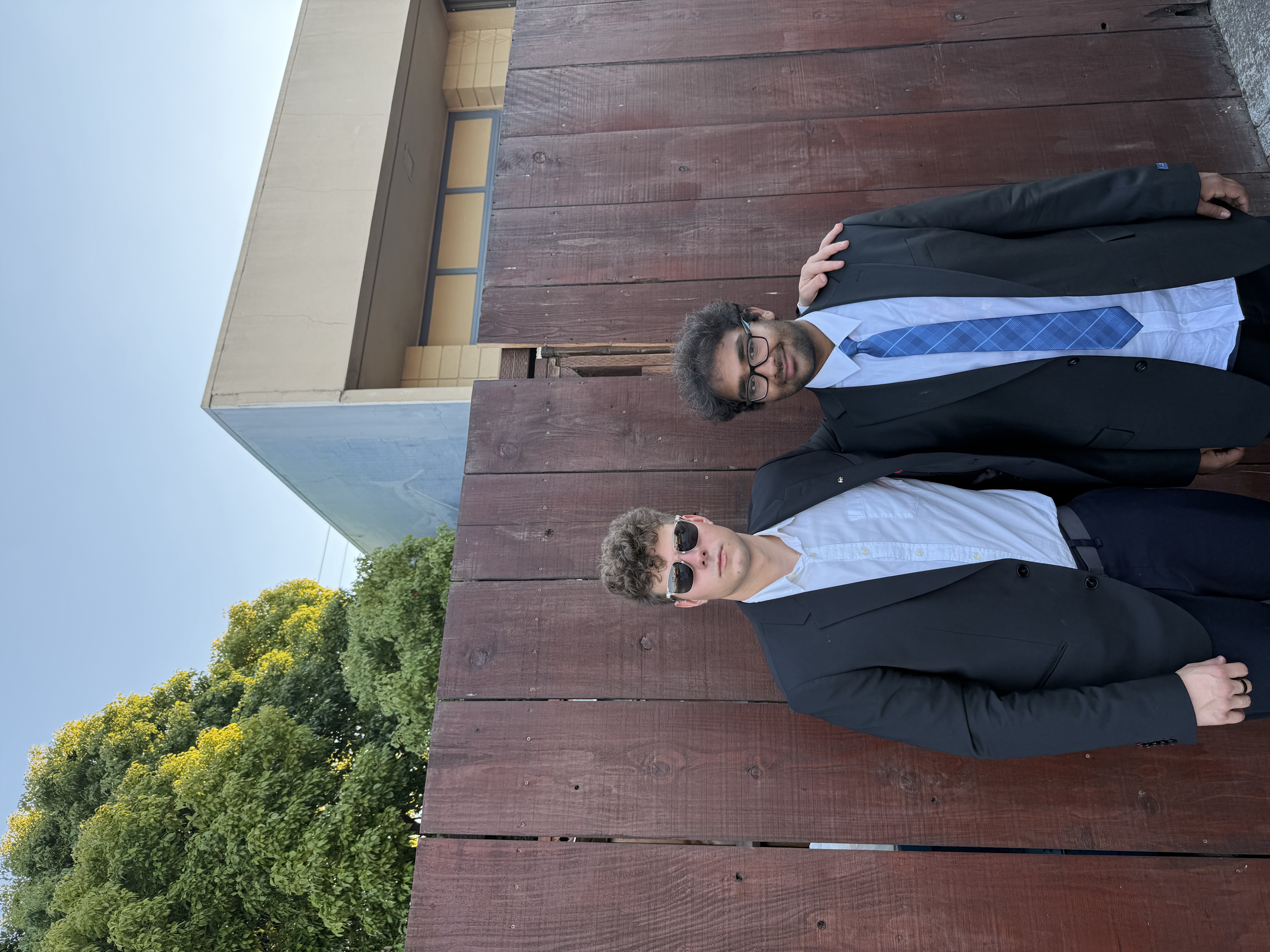
Leanid & Arlen — Co-founders of Wrodium
I'm a serial founder and researcher who's obsessed with one question: when AI becomes the interface to all information, who gets credit?
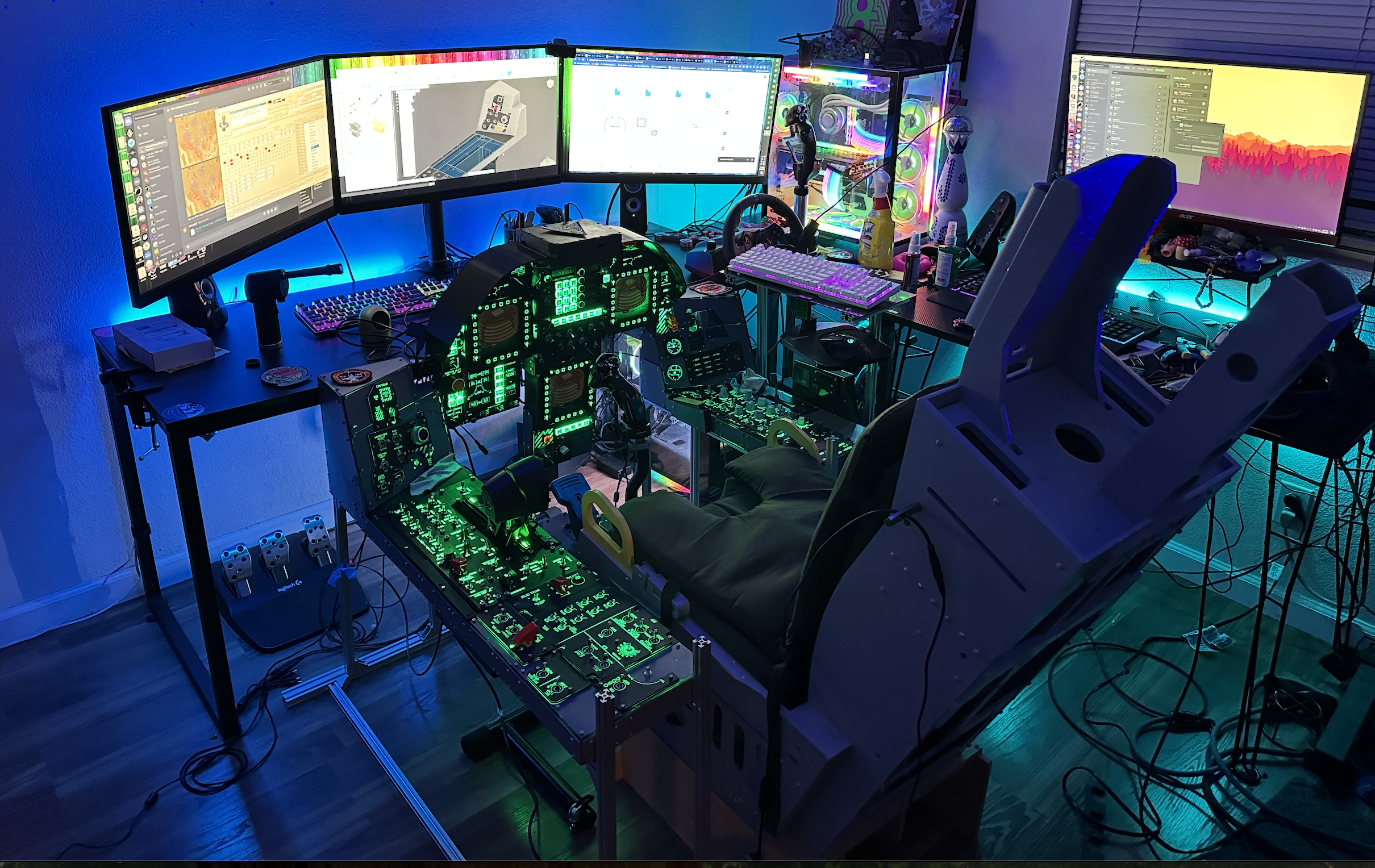
At 19, I built Air Quake Simulations—a VR flight simulator hardware company. I 3D-printed cockpit components that undercut the industry by 10x. Sold it.
Now I'm CTO of Wrodium, where my co-founder Leanid Palkhouski and I are building the picks-and-shovels for the AI search gold rush. We help brands become the sources AI engines trust, cite, and recommend—not just pages that exist somewhere on the internet.
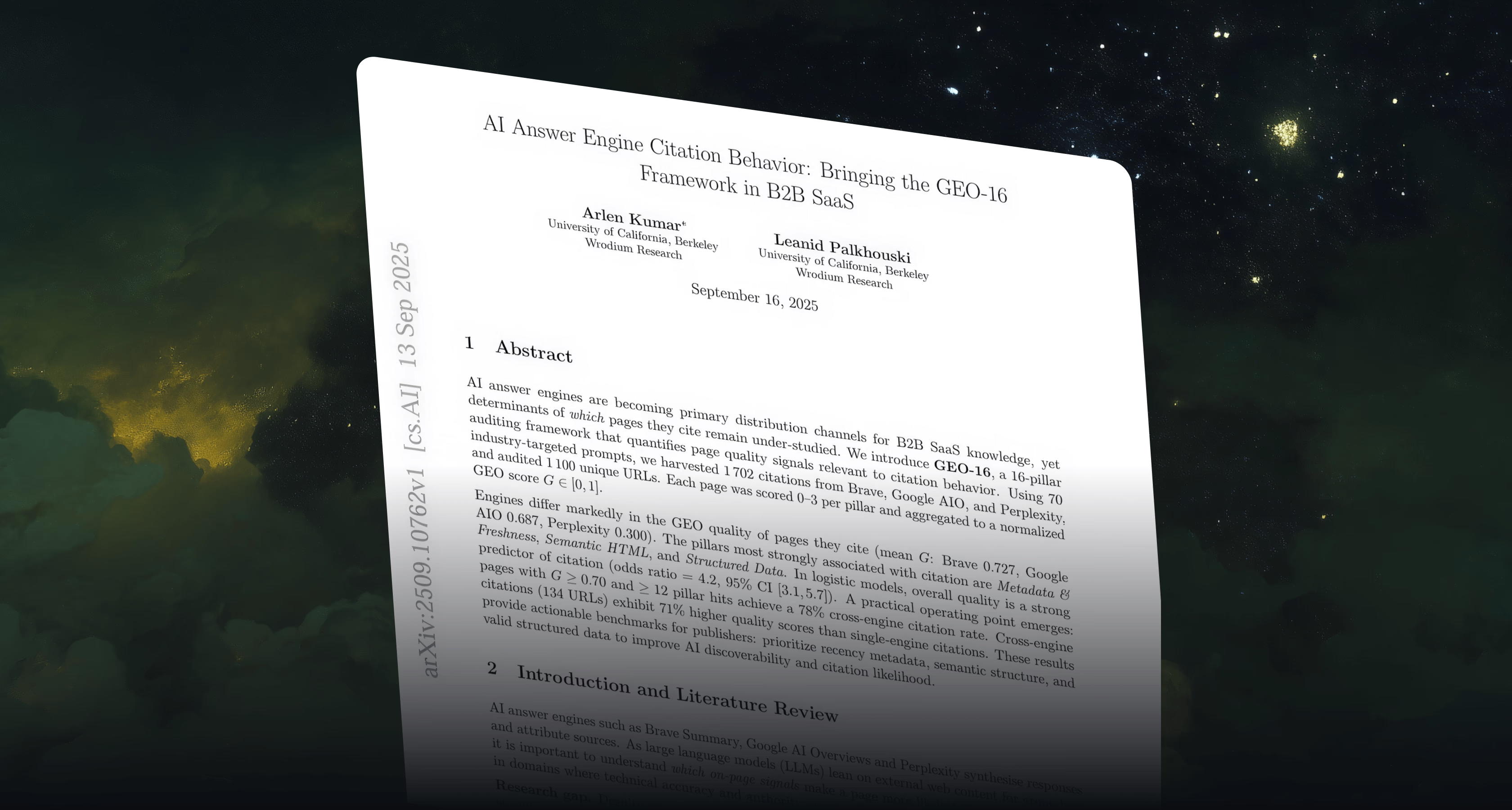
I study how this actually works. At UC Berkeley, I run research under Professor Marti Hearst on AI citation behavior—reverse-engineering how LLMs decide which sources to quote. That research became the GEO-16 framework: 16 predictive factors that determine whether AI cites you or your competitor.
I'm not interested in "AI for AI's sake." I build systems that are auditable, explainable, and aligned with how real humans search, read, and decide. My background in digital humanities—race, gender, and bias in AI—isn't a side interest. It's why I build differently.
Wrodium is a Generative Engine Optimization platform for brands that refuse to be invisible.
Leanid and I started it because we saw the shift coming: the companies that structure their content for AI today will own their categories tomorrow. Everyone else will wonder where their traffic went.
We show you exactly how AI systems currently describe your brand. (Spoiler: it's probably wrong or incomplete.)
We restructure your content so AI engines can parse, verify, and cite it. Schema markup, semantic structure, fact-verification layers—the boring stuff that actually matters.
AI changes fast. We keep your content current so you don't drift into hallucination territory.
We track AI visibility and citations so you can tie "ChatGPT mentioned us" to actual revenue.
We've built integrations for six major CMS platforms. We run experiments constantly. We know what works because we test it—not because we read a blog post about prompt engineering.
Most "AI SEO" advice is vibes. I wanted data.
So Leanid and I ran hundreds of experiments on how AI answer engines select sources. The result: "AI Answer Engine Citation Behavior: An Empirical Analysis of the GEO-16 Framework"—a research paper identifying the 16 factors that predict whether AI cites you.
This isn't theoretical. It's built from real queries, real responses, real citation patterns across ChatGPT, Gemini, Perplexity, and Claude.
I treat research as product development. Every insight becomes a feature. Every experiment becomes a recommendation we can actually ship.
The web has a credit problem. People who create accurate, useful content get erased when AI summarizes them into a paragraph with no link. I want to fix that—better structure, better standards, better tracking for how AI systems cite sources.
I've spent years studying how AI systems erase or misrepresent people. That's not just an ethical concern—it's a product concern. If your AI visibility strategy gets you cited for the wrong thing, you've made your problem worse. I build systems that optimize for accurate exposure, not just exposure.
I like research. But I like shipping more. The best part of Wrodium is turning abstract concepts like "generative engine optimization" into dashboards, workflows, and reports that marketers and founders actually use.
Founded a VR flight simulator hardware company. Built affordable 3D-printed cockpit components that undercut the industry by 10x.
Co-founded with Leanid Palkhouski. Berkeley SkyDeck-backed. Building the GEO platform for AI-era discovery.
Studying AI citation behavior under Prof. Marti Hearst. Developed GEO-16 predictive framework.
Built a community network for Silicon Valley dog owners. Shut down during COVID. (Yes, really.)
The brands that figure out AI visibility in 2024-2025 will own their categories for years. Everyone else will pay to catch up.
If you want to be in the first group, let's talk.
Book a Call with Me